Prosecco Wine
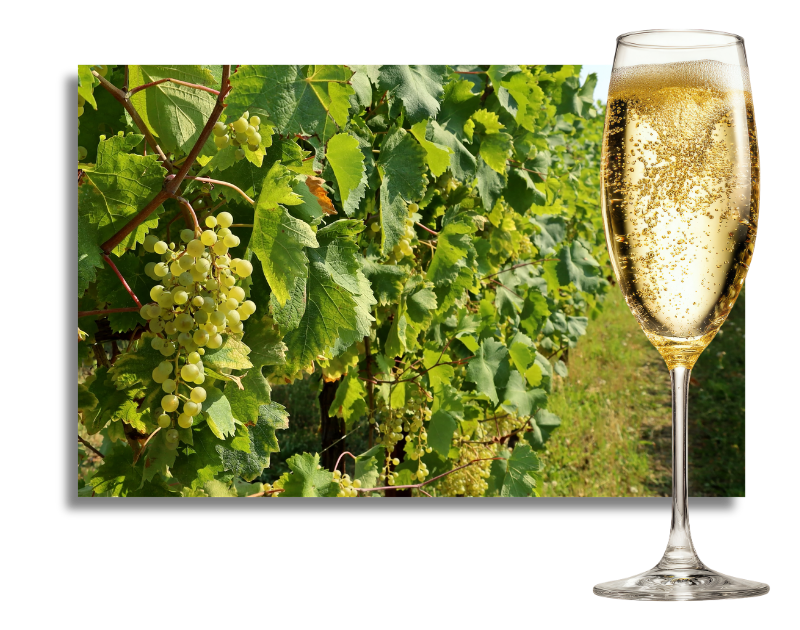
Prosecco is an Italian sparkling wine made primarily from the Glera grape in north-eastern Italy, mainly across Veneto and Friuli-Venezia Giulia. It is usually produced in spumante (fully sparkling) or frizzante (semi-sparkling) style using the Martinotti–Charmat method, which preserves fresh fruit and floral aromas. At least 85% Glera is required under DOC rules.
1. Introduction to Prosecco Wine
Prosecco is one of the world’s most recognised sparkling wines. It is valued for freshness, approachability, and vibrant fruit character rather than the autolytic richness associated with Champagne. Its appeal lies in lively bubbles, bright acidity, and flavours of green apple, pear, white peach, citrus, and blossom.
Although often treated as a casual celebratory wine, Prosecco has a strict geographical identity. It is protected by DOC and DOCG regulations, and the highest expressions come from the hilly zones of Conegliano-Valdobbiadene and Asolo.
The wine ranges from dry aperitif styles to softer expressions suited to brunch cocktails and desserts. It is equally at home in a Bellini, an Aperol Spritz, or a formal tasting flight of single-vineyard Superiore wines.
2. Table of Contents
- Introduction
- Table of Contents
- Etymology and Pronunciation
- History and Origin
- Production Process
- Key Ingredients
- Varieties
- Notable Brands
- Sensory Profile
- Serving Recommendations
- Food Pairings
- Awards and Recognition
- Health and Consumption
- Key Compounds
- FAQ
- References and External Links
3. Etymology and Pronunciation of Prosecco
Pronunciation: pro-SEK-koh
The name derives from the village of Prosecco near Trieste. Historically, “Prosecco” referred both to the wine and the grape variety. In 2009, the grape was officially renamed Glera within the EU to protect Prosecco as a geographical denomination rather than a varietal name.
This legal distinction strengthened international recognition and aligned Prosecco more closely with region-protected wines such as Champagne.
4. History and Origin of Prosecco Wine
The history of Prosecco combines Roman references, Venetian trade, and modern sparkling wine innovation.
Many historians connect the origins of Prosecco with the ancient Roman wine known as vinum pucinum, praised by Pliny the Elder in the 1st century AD. This wine was associated with the area around modern Trieste, especially the hills near the village of Prosecco. While the direct link cannot be proven with certainty, the cultural association remains strong.
For centuries, the grape now called Glera was cultivated as a still white wine variety rather than a sparkling base. It was appreciated for moderate acidity, floral aromas, and reliable vineyard performance in the north-eastern Italian climate.
By the eighteenth century, written references connected Prosecco with the Conegliano-Valdobbiadene hills. These steep slopes provided excellent drainage, sun exposure, and airflow. The terroir proved ideal for quality-focused viticulture rather than high-volume production. A documented link to this area dates to 1772.
The nineteenth century changed everything. Advances in viticulture and the development of sparkling wine technology transformed Prosecco’s identity. Dr Federico Martinotti developed the tank fermentation concept, later industrially refined by Eugène Charmat. This method allowed second fermentation in pressurised tanks rather than individual bottles.
Dr Antonio Carpenè, a founder of the Conegliano School of Winemaking, applied this method successfully to Prosecco, creating the modern sparkling style recognised today. The process preserved delicate fruit aromas and made production more efficient than bottle-fermented sparkling wine.
DOC recognition arrived in 1969, protecting the historical production zone. In 2009, the system was expanded significantly. Prosecco DOC covered a wider area across nine provinces, while the most prestigious hills gained DOCG status as Conegliano Valdobbiadene Prosecco Superiore and Asolo Prosecco Superiore. At the same time, the grape’s official name was changed to Glera.
This change was commercially significant. It prevented producers outside the protected zone from using “Prosecco” as a grape reference and strengthened export value.
In 2019, the Prosecco Hills of Conegliano and Valdobbiadene were recognised by UNESCO as a World Heritage Site, reflecting both agricultural heritage and landscape importance.
Today, Prosecco is a global sparkling wine leader, balancing everyday accessibility with high-end terroir-driven expressions.
5. What is the Production Process for Prosecco Wine?
Terroir and Regional Influences
Prosecco production centres on north-eastern Italy. Flatland DOC vineyards support volume, while steep DOCG hills produce greater concentration and complexity.
The Conegliano-Valdobbiadene zone features marl, sandstone, and glacial soils with strong drainage. Elevation improves diurnal variation, helping grapes retain acidity and aromatic precision.
Cool nights preserve freshness, while sunny autumn conditions support gradual ripening.
Harvesting and Primary Fermentation
Glera is a late-ripening grape harvested between late August and October, depending on altitude and style.
The grapes are pressed gently to avoid harsh phenolics. Juice clarification follows quickly because the aim is aromatic purity rather than skin-derived structure.
Primary fermentation occurs in stainless steel tanks at controlled temperatures, usually between 16–18°C. This preserves volatile floral compounds and fruit expression.
The result is a clean base wine with moderate alcohol and bright acidity.
Secondary Fermentation: Martinotti–Charmat Method
Unlike Champagne, Prosecco usually undergoes a second fermentation in sealed, pressurised tanks rather than in bottles.
Yeast and sugar are added to the base wine inside autoclaves. Fermentation creates carbon dioxide, which dissolves naturally into the wine.
This method highlights fresh orchard fruit and white flower notes rather than brioche or toast. It is faster, more scalable, and stylistically suited to Glera.
Spumante styles have higher pressure and finer bubbles. Frizzante styles are softer and less forceful.
Ageing, Blending and Bottling
Ageing is generally short because freshness is the stylistic goal. However, top DOCG wines may rest longer on lees for additional texture.
Unlike many still wines, oak cask maturation is uncommon because wood can mask Glera’s delicate aromatics. Stainless steel remains dominant.
Some premium producers use brief neutral oak contact or extended lees ageing for complexity, though this is not standard.
Blending may combine parcels from different vineyard sites to balance acidity, perfume, and texture. Vintage-dated wines, especially millesimato expressions, emphasise one harvest year.
Bottling occurs under pressure to preserve carbonation. Final sweetness levels are adjusted according to style: Brut Nature, Extra Brut, Brut, Extra Dry, Dry, or Demi-Sec.
Rosé Prosecco must contain 85–90% Glera and 10–15% Pinot Nero vinified red.
6. What are the Key Ingredients in Prosecco Wine?
Glera
The defining grape. It contributes pear, apple, white peach, citrus blossom, and gentle herbal notes.
Supporting Grapes
Up to 15% may include Verdiso, Bianchetta Trevigiana, Perera, Glera Lunga, Chardonnay, Pinot Bianco, Pinot Grigio, and Pinot Nero, depending on regulation.
Yeast
Selected strains support aromatic preservation and controlled secondary fermentation.
Sugar
Used for dosage and sparkle formation. Residual sugar determines final style.
Mineral-rich Water and Soil Influence
Though not an ingredient in the bottle, vineyard geology strongly shapes acidity and texture.
7. Processco Wine Varieties
Spumante Prosecco Wine
Fully sparkling and the most internationally recognised style.
Frizzante
Semi-sparkling with gentler pressure and softer mousse.
Tranquillo
Still Prosecco, rare and mostly local.
Prosecco DOC
Broader production zone with approachable pricing and fresh fruit emphasis.
Conegliano Valdobbiadene Prosecco Superiore DOCG
Premium hilly zone with greater structure and terroir expression.
Asolo Prosecco Superiore DOCG
Often slightly more mineral and linear in style.
Cartizze
A prestigious subzone producing rich, refined wines from a celebrated hillside.
Rive
Single-commune expressions highlighting specific village terroir.
Rosé Prosecco Wine
A modern DOC category combining Glera and Pinot Nero.
8. Notable Prosecco Wine Brands
Several producers define the global identity of Prosecco.
Bisol 1542 is respected for refined DOCG wines and strong Cartizze expressions.
Nino Franco is celebrated for terroir-focused Valdobbiadene wines.
Mionetto offers wide international recognition and strong DOC accessibility.
Ruggeri balances freshness with elegant premium bottlings.
Villa Sandi combines estate prestige with a broad market presence.
Valdo is known for historical continuity and export strength.
La Marca dominates many international retail markets with an approachable style.
Adami produces highly regarded single-vineyard DOCG wines.
Bottega is recognised instantly through its metallic bottles and hospitality reach.
Jeio by Bisol offers modern, youthful positioning.
Santa Margherita brings strong global luxury branding.
Carpenè Malvolti carries historic importance linked to modern sparkling Prosecco development.
Each producer expresses a different philosophy, from supermarket-friendly freshness to vineyard-specific prestige cuvées.
9. Sensory Profile
Prosecco is defined by freshness rather than weight.
Aroma
The nose commonly shows green apple, ripe pear, lemon zest, white peach, honeysuckle, acacia blossom, and subtle almond. Higher-tier DOCG wines may reveal wet stone, fennel, and light pastry notes.
Palate
The palate is bright and lively with moderate alcohol and crisp acidity. Fruit remains central: apple, pear, melon, and citrus dominate. Extra Dry styles often feel rounder due to residual sugar, while Brut and Extra Brut show sharper definition.
Finish
The finish is clean, refreshing, and lightly mineral. Good examples leave floral persistence rather than heavy sweetness.
Texture matters greatly. Fine mousse indicates better quality, while coarse bubbles often signal simpler production.
10. Serving Recommendations for Prosecco Wine
Serve Prosecco between 6–8°C.
Tulip glasses are often better than narrow flutes for serving Prosecco because they preserve bubbles while allowing aromatic expression. Flutes remain common for celebrations, but tulips improve the tasting quality.
Avoid over-chilling, which suppresses aroma. Pour slowly at an angle to preserve mousse and reduce overflow.
For cocktails such as Bellinis or Spritzes, use well-chilled wine to maintain structure after dilution.
Premium DOCG bottles deserve table service like fine white wine rather than rapid party pouring.
11. Food Pairings with Prosecco Wine
Prosecco is highly versatile because acidity, bubbles, and moderate alcohol create balance across many cuisines.
Seafood
Oysters, prawns, crab, scallops, and sushi pair beautifully with Brut or Extra Brut styles. The acidity cuts saline richness, while citrus notes mirror freshness from the sea.
Light white fish with lemon and herbs also works extremely well.
Italian Starters
Prosciutto, burrata, focaccia, and vegetable antipasti suit Extra Dry Prosecco. The wine’s fruit softens salt and enhances creamy textures.
Fried appetisers such as arancini or tempura vegetables benefit from carbonation, which refreshes the palate after oil-rich bites.
Cheese
Fresh cheeses such as mozzarella, ricotta, and goat cheese perform best. Mature hard cheeses can work with richer DOCG wines, especially Cartizze.
Blue cheese usually requires sweeter expressions.
Asian Cuisine
Thai dishes, Vietnamese herbs, and Japanese tempura match surprisingly well. Slight sweetness softens chilli heat, while floral aromas complement lemongrass, basil, and ginger.
Dry Prosecco can also handle lightly spiced Indian starters.
Brunch and Light Poultry
Egg dishes, smoked salmon, chicken salads, and herb-roasted poultry pair naturally because Prosecco does not dominate delicate flavours.
This explains its success in brunch culture and celebratory lunches.
Desserts
Fruit tarts, almond pastries, panna cotta, and light sponge desserts suit Dry or Demi-Sec styles. Avoid pairing Brut styles with sweet desserts because the wine may taste austere.
Cocktails
Aperol Spritz and Bellini remain classics because Prosecco contributes freshness without overwhelming the modifier ingredients.
Its aromatic neutrality compared with Champagne makes it ideal for mixed-service hospitality.
12. Awards and Recognition from Prosecco Wine Wineries
Prosecco receives regular recognition from major wine competitions and critics.
Examples include:
- UNESCO World Heritage recognition for Prosecco Hills (2019)
- Wine Enthusiast Top 100 placements for Nino Franco
- Decanter World Wine Awards Gold medals for Bisol
- International Wine Challenge awards for Ruggeri
- Mundus Vini Gold for Villa Sandi
- Falstaff sparkling wine rankings for Adami
- Gambero Rosso Tre Bicchieri recognitions
- James Suckling’s high-scoring DOCG reviews
- Vinitaly producer excellence awards
- Berliner Wine Trophy medals
- Concours Mondial de Bruxelles medals
- Wine Spectator recommended producer listings
These honours reinforce that Prosecco includes both accessible wines and serious fine-wine expressions.
13. Health and Consumption
Prosecco contains polyphenols, organic acids, alcohol, minerals, and aromatic compounds derived from grapes and fermentation.
Compared with heavier oak-aged wines such as Merlot, it often presents a lighter sensory profile because it is usually stainless-steel aged. Acidity supports perceived freshness and digestive appeal during meals.
The wine’s sparkling structure influences perception of sweetness and body. Carbon dioxide increases aromatic lift and changes flavour delivery across the palate.
Rosé styles may contain additional phenolic influence from Pinot Noir.
Because Prosecco is commonly consumed young, it preserves primary fruit compounds more clearly than many aged wines.
Its moderate alcohol and lower tannin profile make it texturally softer than many red wines, contributing to broad food compatibility.
14. Key Compounds in Prosecco Wine
Tartaric and Malic Acid
These create structure, freshness, and tension.
Esters
Responsible for pear, apple, banana, and floral aromatics.
Terpenes
Support blossom, citrus peel, and lifted perfume.
Phenolics
Present in smaller amounts than red wine, but still important for texture and bitterness.
Carbon Dioxide
Not merely sparkle—it changes mouthfeel, aroma release, and finish perception.
Residual Sugar
Balances acidity and shapes style classification from Brut Nature to Demi-Sec.
15. FAQ
No. Champagne comes from France and uses bottle fermentation. Prosecco comes from Italy and is usually made using tank fermentation.
No. Many bottles are Brut or Extra Brut. “Extra Dry” is actually slightly sweeter than Brut.
Primarily Glera. Regulations require at least 85% Glera.
It indicates stricter production rules and higher protected status than DOC, usually linked to premium areas.
Yes. Since 2020, rosé Prosecco DOC is permitted to use Glera and Pinot Nero.
Most bottles are best enjoyed young, within one to two years of release.
It is a prestigious hill within Valdobbiadene known for premium, highly expressive Prosecco Superiore.
16. References and External Links
Prosecco Wine Selection at CellarsMarket
International Wine Challenge
Conegliano Valdobbiadene Prosecco DOCG Consortium
Asolo Prosecco DOCG Consortium
UNESCO World Heritage: Prosecco Hills
Decanter
Wine Enthusiast
Gambero Rosso
Key Takeaways for Processco Wine
- Prosecco Wine is an Italian sparkling wine mainly made from the Glera grape, known for its fresh fruit flavours and floral aromas.
- The wine comes in two styles: spumante (fully sparkling) and frizzante (semi-sparkling), with a focus on preserving fruity characteristics.
- Prosecco Wine has unique regional protections, recognised as DOC and DOCG, with premium expressions from Conegliano-Valdobbiadene and Asolo regions.
- It pairs well with various foods, including seafood, Italian starters, and light dishes, making it versatile for different occasions.
- Prosecco Wine is enjoyed young, often with a lower alcohol content and less tannin than heavier wines, maintaining its light and refreshing profile.