



 Login with Facebook
 Login with Google
 Login with LinkedIn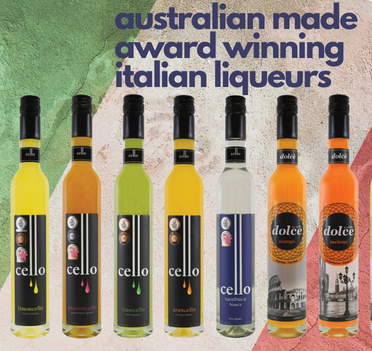

Top rated

Cello Liqueurs: Italian Tradition, Australian Craft, and How to Enjoy Every Bottle
Cello Liqueurs: Italian Tradition, Australian Craft, and How to Enjoy Every Bottle
A bright introduction to the Cello story
Cello Liqueurs brings together two things many drinks lovers value: heritage and flavour. Inspired by traditional Italian family recipes and made in Australia, the brand has built a range that feels both classic and modern. At its heart sits limoncello, the well-loved lemon liqueur associated with Southern Italy, long lunches, and chilled after-dinner pours. From there, the collection expands into arancello, sambuca, coffee liqueur, tropical fruit styles, cream expressions, and sweeter dessert-inspired bottles.
That combination gives Cello a broad appeal. Some drinkers will be drawn to the Italian story and handcrafted feel. Others will simply want something delicious to pour over ice, mix into a spritz, or serve after dinner. Either way, the brand offers a sense of occasion without becoming complicated. It feels generous, colourful, and easy to enjoy.
In today’s drinks market, that matters more than ever. Many shoppers want bottles with a clear point of difference. They want quality, but they also want versatility. A product should look good, taste great, and work across more than one moment. Cello fits that brief well. It can be enjoyed neat, mixed in cocktails, added to desserts, or given as a thoughtful gift. That flexibility makes it more than a niche liqueur brand. It turns it into a smart addition to the modern home bar.
This article explores what makes Cello distinctive, why limoncello still matters, how the wider range broadens its appeal, and the best ways to serve these liqueurs at home.
Key takeaways
-
Cello Liqueurs combines Italian-inspired tradition with Australian production.
-
The range includes citrus, coffee, cream, and fruit-led styles.
-
Limoncello remains the hero product, but the wider collection adds versatility.
-
The brand suits gifting, entertaining, cocktails, and after-dinner serves.
-
Cello works well for drinkers who want flavour, story, and ease of use.
The Cello brand story: heritage made approachable
One of the strongest parts of the Cello brand is its story. The company presents its liqueurs as inspired by a family recipe passed down through generations in Italy, then brought to life in Australia through small-batch production. That kind of narrative gives the brand warmth. It feels personal rather than corporate. It also helps explain why the products aim to offer more than sweetness. They are meant to capture memory, place, and tradition.
This matters because liqueurs are often bought for emotional reasons as much as practical ones. A bottle of whisky might be chosen for prestige. A gin may be selected for botanicals. A fruit liqueur is often picked for pleasure. It comes out when friends visit, when dessert is served, or when someone wants to make an ordinary evening feel a little more special. Cello understands that mood. Its range speaks to celebration, indulgence, hospitality, and easy enjoyment.
The brand’s identity also benefits from its balance of Italian inspiration and local production. That makes it feel authentic, yet accessible. There is romance in the Italian influence, but there is also something reassuring about Australian-made craftsmanship. For many shoppers, that blend offers the best of both worlds. It captures the spirit of a classic European liqueur while still feeling close to home.
Cello also highlights features that support its premium positioning. The products are described as handmade, made with fresh premium ingredients, free from artificial colours and flavours, gluten-free, and kosher certified. Those details matter in a crowded market. They help give consumers confidence that the flavour experience comes from care and quality rather than novelty alone.
In a nutshell
-
Cello uses a family-inspired Italian story to create emotional appeal.
-
The brand feels personal, warm, and easy to understand.
-
Australian production adds local relevance to an Italian-style range.
-
Ingredient and certification details support the premium message.
Why limoncello still has such strong appeal
Limoncello has lasting appeal because it offers something instantly recognisable. Lemon is bright, fresh, and inviting. It feels lively without becoming too serious. Even people who are new to liqueurs often understand what limoncello is meant to taste like. That familiarity gives it an advantage over more challenging or bitter categories.
Traditionally, limoncello is served very cold after a meal. That simple ritual has helped keep it relevant for decades. Chilling softens the sweetness, lifts the lemon aroma, and gives the drink a silky texture. It feels both refreshing and indulgent. A small glass can finish a meal beautifully, especially in warm weather or alongside fruit-based desserts.
However, limoncello now plays a much broader role. It works extremely well in modern cocktails, especially spritzes, sours, and lemon-forward martinis. Home entertaining has shifted in this direction in recent years. People still want drinks that feel premium, but they do not always want complicated techniques or large collections of ingredients. Limoncello is perfect for that style of drinking. One bottle can be mixed with sparkling wine, soda water, tonic, or vodka and still produce a polished result.
That wider use gives Cello a strong foundation. Once a customer is comfortable with limoncello, it becomes easier to explore the rest of the range. The lemon bottle acts as the entry point. It builds trust in the flavour quality and introduces the brand’s overall style. From there, orange, coffee, mango, passionfruit, or cream expressions feel like natural next steps.
Limioncello Summary points
-
Limoncello is easy to understand and easy to enjoy.
-
The traditional chilled serve still works beautifully.
-
Modern cocktail culture has given limoncello new life.
-
For Cello, limoncello likely acts as the gateway into the wider range.
A portfolio with room to explore
Many liqueur brands depend on one hero flavour. Cello takes a broader approach. Alongside limoncello, the portfolio includes arancello, sambuca, coffee liqueur, almond, melon, mango, passionfruit, strawberry, and creamy Dolce styles. That gives the collection more personality and far more flexibility.
From a consumer point of view, this is a real strength. Different bottles suit different moments. Citrus styles are ideal for chilled pours, spritzes, and summer entertaining. Coffee liqueur is perfect for after-dinner cocktails and dessert drinks. Creamier bottles feel richer and more indulgent, making them ideal for gifting, winter hosting, or sweet serves. Tropical flavours bring a playful note to warm-weather gatherings and easy mixed drinks.
The range also helps Cello speak to different kinds of drinkers. Some people want classic Italian character. Others are looking for sweeter, fruit-driven flavours that feel softer and more approachable. By offering both, the brand avoids feeling too traditional or too novelty-led. It gives customers a path to explore based on mood and taste.
From a retail perspective, that kind of variety is useful. A customer who comes in looking for a limoncello may leave with a second bottle for cocktails, dessert, or gifting. That makes the range easier to merchandise as a flavour family rather than a single-product story.
Cello Summary points
-
Cello’s wider range adds depth to the brand.
-
Citrus, tropical, coffee, and cream styles suit different occasions.
-
The portfolio welcomes both traditional and adventurous drinkers.
-
A broader range supports gifting and multi-bottle purchases.
What makes Cello feel premium without feeling intimidating
Premium drinks can sometimes feel overly serious. They may lean too heavily on technical language, rarity, or exclusivity. Cello takes a friendlier route. Its premium feel comes from story, ingredients, and craftsmanship, but the products still sound fun to drink. That is an important distinction.
The category benefits from being practical. A bottle of fruit liqueur can do many jobs. It can be served ice-cold after dinner, mixed into a cocktail, added to dessert, or presented as a gift. That versatility gives shoppers a stronger sense of value. They are not buying something that only works in one narrow context. They are buying a bottle that can move through different parts of a meal or gathering.
Cello also feels premium because the flavour direction is clear. The brand does not hide behind vague language. Lemon tastes like lemon. Orange tastes like orange. Coffee tastes like coffee. That clarity is useful. It makes the range easier to understand, recommend, and enjoy.
For many people, that is what modern premium really looks like. It is not about intimidation. It is about confidence, quality, and ease. Cello presents itself as a liqueur brand for people who want a little more style and flavour in their drinks, without needing a textbook to enjoy it.
Cello Socially Good
-
Cello feels premium through quality and story, not complexity.
-
The bottles are versatile enough to justify a place on the home bar.
-
Clear flavour profiles make the range approachable.
-
Premium can still be playful, social, and easy to enjoy.
How to enjoy Cello at home
One of the best things about Cello is how easy it is to serve well. You do not need advanced bartending skills to make the bottles shine. The right temperature, glassware, and pairing will do most of the work.
Limoncello is best served chilled, ideally straight from the freezer or refrigerator. A small glass is all you need. This classic after-dinner serve brings out the bright citrus oils and makes the sweetness feel fresher and cleaner. Arancello works in a similar way, though it often gives a slightly softer and rounder citrus profile.
Coffee liqueur works beautifully in espresso martinis, but it can also be poured over ice cream or added to a short creamy drink. The Dolce styles lend themselves to dessert service. They can be served in small glasses after a meal, drizzled lightly over vanilla gelato, or used in indulgent cocktails. Tropical and fruit-led expressions work particularly well with sparkling mixers, soda water, or simple summer punches.
For entertaining, a useful rule is to match style with occasion. Citrus bottles suit pre-dinner or warm-weather drinks. Coffee and cream expressions suit later-evening moments. Fruitier styles are ideal when you want something cheerful, colourful, and less formal. That simple approach helps turn one brand into a full hosting toolkit.
Cello Liqueur Summary points
-
Chill citrus liqueurs well before serving.
-
Use coffee styles in cocktails and dessert servings.
-
Cream and Dolce bottles suit richer after-dinner moments.
-
Tropical expressions work well in relaxed summer drinks.
Recipe: Cello Limoncello Garden Spritz
This simple serve is bright, fresh, and perfect for easy entertaining.
Ingredients
-
60 ml Cello Limoncello
-
90 ml chilled Prosecco or other dry sparkling wine
-
30 ml chilled soda water
-
10 ml fresh lemon juice
-
2 basil leaves
-
1 thin lemon wheel
-
Ice cubes
Method
Fill a large wine glass with ice. Add the limoncello and fresh lemon juice. Lightly clap one basil leaf between your hands to release the aroma, then place it in the glass. Top with sparkling wine and soda water. Stir a few times gently. Garnish with the lemon wheel and the remaining basil leaf.
Why it works
This drink keeps the limoncello front and centre. The sparkling wine adds lift, the soda brings freshness, and the basil gives a subtle herbal note that feels bright and Mediterranean. It is elegant enough for guests, yet simple enough for a casual afternoon.
Food pairing ideas
Serve with olives, salted nuts, burrata crostini, grilled prawns, or light lemony appetisers.
Real-world occasions where Cello fits beautifully
A good liqueur should not only taste nice. It should fit naturally into real life. Cello performs well here because the bottles can move between occasions with very little effort.
For example, a chilled limoncello works wonderfully at the end of a dinner party. It is easy to serve and feels more thoughtful than simply offering another glass of wine. A coffee liqueur can anchor an after-dinner cocktail moment without needing a long shopping list. A creamy Dolce bottle suits winter entertaining, festive gifting, or dessert nights at home. Fruit-led styles can brighten a spring lunch or casual drinks table.
That flexibility matters for gift buyers too. A bottle of Cello feels special, but not risky. The Italian influence gives it romance. The flavour-led style makes it approachable. For someone who enjoys entertaining, cocktails, or sweet drinks, it lands in a very useful middle ground between practical and indulgent.
This is where the brand becomes especially appealing to retailers. It can be promoted through flavour, occasion, season, or gifting need. That gives marketers and merchandisers plenty of angles without stretching the story too far.
Summary points
-
Cello works well at dinner parties, celebrations, and casual home entertaining.
-
The range also suits gifting and seasonal promotions.
-
Different bottles can be matched to different social moments.
Why Cello is well placed for today’s drinks market
Consumers are becoming more selective about what they buy. They want bottles that offer flavour, usefulness, and a clear point of view. Cello speaks well to those needs. It has a recognisable hero product, a strong origin story, and a range broad enough to invite repeat discovery.
It also benefits from being easy to understand. In a market full of highly technical spirits, that simplicity is refreshing. People often want something they can enjoy without research, yet still feel good about serving. Cello gives them that. It can be introduced to guests easily, used in low-effort cocktails, and enjoyed across seasons.
There is also a larger lifestyle appeal at work. Liqueurs like these fit into a broader trend around home hospitality. Many people are entertaining more casually and creating special moments with smaller gestures. A chilled limoncello after dinner or a bright spritz before a meal fits that pattern perfectly.
For those reasons, Cello feels timely. It offers old-world inspiration in a format that suits the way many people actually drink now.
Cello Drinks Takeaways
-
Cello matches demand for flavour, story, and versatility.
-
The range suits modern home entertaining.
-
Simplicity is part of the brand’s strength.
-
The collection feels both classic and current.
Final thoughts
Cello Liqueurs succeeds because it keeps things clear, flavourful, and welcoming. The brand draws on Italian family tradition, but it does not become trapped in nostalgia. Instead, it translates that heritage into a modern Australian-made range that feels right for today’s tables, trolleys, and celebrations.
Limoncello remains the heart of the story, and rightly so. It is bright, familiar, and endlessly useful. Yet the wider portfolio is what gives the brand real staying power. Orange, coffee, cream, and fruit-led expressions broaden the experience and create more reasons to keep exploring.
For shoppers, that means Cello is easy to enjoy and easy to recommend. For hosts, it means more serving possibilities with less effort. For retailers, it means a brand with a strong identity and multiple merchandising angles. Altogether, Cello offers something many drink brands chase, but few achieve: a sense of authenticity that still feels relaxed, generous, and fun.
If you are discovering the range for the first time, begin with the limoncello. Chill it well, pour it simply, and enjoy what the brand does best. From there, the rest of the collection opens up naturally.
Frequently asked questions
What is Cello Liqueurs?
Cello Liqueurs is an Australian-made range of Italian-inspired liqueurs built around family-style tradition, handcrafted production, and flavour-led enjoyment.
What flavours does Cello offer?
The range includes limoncello, arancello, sambuca, coffee liqueur, almond, tropical fruit styles, berry flavours, and creamy Dolce expressions.
How should limoncello be served?
Limoncello is usually best served well chilled in a small glass after a meal. It also works beautifully in spritzes and lemon-forward cocktails.
Is Cello only for after-dinner drinking?
Not at all. While it suits after-dinner service, Cello also works in cocktails, spritzes, dessert drinks, and casual entertaining.
Is Cello a good gift?
Yes. The combination of attractive flavour profiles, Italian-inspired style, and versatile use makes it a strong gifting option.
What food pairs well with Cello Liqueurs?
Citrus styles pair well with olives, seafood, soft cheeses, and light desserts. Coffee and cream expressions work well with chocolate, pastries, and vanilla-based desserts.