


 Login with Facebook
 Login with Google

Top rated
Why Local Beer Becomes Part of Your Travel Memories
Somewhere between the first wrong turn and the last long lunch, a holiday acquires a flavour.
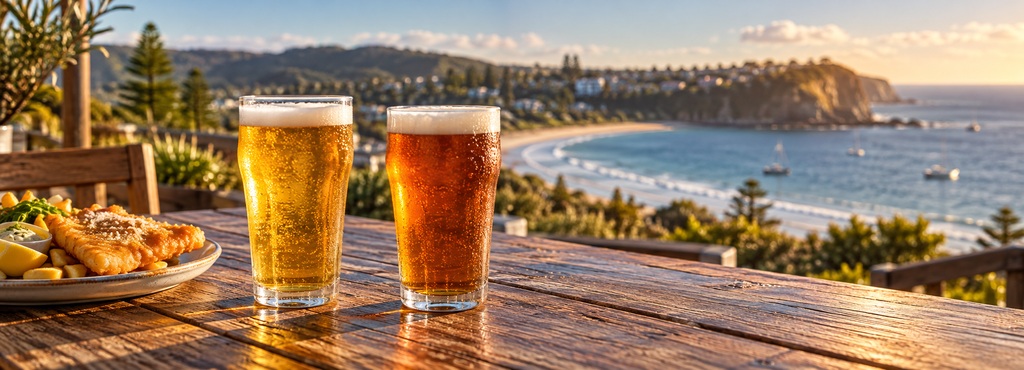
It might be a crisp lager ordered with fish and chips in a coastal town. A pale ale discovered at a brewery you only visited because it started raining. Or a dark beer in a small pub where you stayed far longer than planned.
Months later, you spot the same label back home. Suddenly, you remember the table, the weather and who was sitting opposite you.
For many beer drinkers, that is the appeal of local beer. It gives a place something you can taste, recognise and occasionally revisit from your own fridge.
Why does beer remind us of a place?
Beer can become associated with a destination because we experience it alongside the local food, surroundings and people. A distinctive flavour or familiar label can bring those experiences to mind. The connection comes from the occasion as a whole.
Think about a beer you enjoyed on holiday. Can you remember its precise bitterness? Perhaps. But you can probably picture where you drank it more easily.
A perfectly respectable lager can become your favourite holiday beer because of a particular lunch, a sea breeze or an unexpectedly good conversation. Back home, the beer may taste much the same, while the experience feels different.
The setting was part of what you enjoyed.
Local beer gives you another way to get to know a town
There is a useful question to ask when you arrive somewhere new: “What is brewed around here?”
It can lead you beyond the brands you already know. Sometimes it opens up a conversation about a brewery down the road. Sometimes the answer is a beer the pub has poured for years.
Either way, you have learned something about the place before the glass arrives.
A brewery visit adds more detail. You see the building, read the names on the taps and discover which beers are permanent fixtures. You might learn why a particular recipe exists or which dish the staff suggest alongside it.
These are small discoveries. They rarely make it into a travel itinerary, but they can become the details you remember.
There is something satisfying about trying a beer close to where it is made. The name on the label becomes a real place, and the brewery becomes more than another option on a bottle shop shelf.
Beer culture has a history worth paying attention to
Some destinations have particularly deep connections with brewing.
Belgium is a clear example. UNESCO recognised Belgian beer culture as intangible cultural heritage in 2016. That recognition concerns the traditions and knowledge surrounding making and appreciating beer, rather than a single brand or recipe.
In the Czech city of Plzeň, Pilsner Urquell traces its brewing history to 1842. Visiting the place behind a familiar beer gives an ordinary name on a bottle a much more specific meaning.
You do not need to become a beer historian to enjoy these connections. Knowing a little about what is in your glass can make the experience more interesting. It also gives you a reason to try something beyond your usual order.
A beer menu becomes much more engaging when you can connect its names to people, places and traditions.
What makes Australian beer feel local?
In Australia, the connection between beer and place can be wonderfully informal.
A regional brewery might be housed in an old industrial building. A coastal venue might serve a pale ale with the same fish burger everyone seems to order. A country pub might have one local tap among the familiar names.
There is no single beer style that captures all of Australia. Nor does every coastal town brew light beer or every cooler region specialise in stout. Brewers make what interests them and what their customers enjoy.
The local character often comes through in other ways: the brewery’s story, the artwork, the food, the venue and the people who keep returning.
That is part of the pleasure of exploring Australian beer. You can discover different interpretations of familiar styles while learning about the producers behind them.
A pale ale from one brewery might lean towards citrus and a dry finish. Another might offer softer bitterness and more malt character. Trying both tells you something about your own preferences, as well as the choices each brewer has made.
One distinction is worth checking, though. A brand’s hometown, its ownership and the location where its beer is brewed are separate things. If provenance matters to you, look for the actual brewing location rather than relying on the scenery on the label.
Does local beer always taste better?
No. Being brewed nearby does not automatically make a beer better.
Freshness, storage, brewing quality and your own preferences all matter. So do serving temperature and how the beer reaches your glass.
What local beer offers is context. You may appreciate a beer more after meeting its maker or trying it with food at the brewery. Equally, you may discover that a much-loved regional speciality simply is not your style.
That is a useful result too. You have tried something with a story and learned a little more about what you enjoy.
The practical details still deserve attention. A beautifully designed label cannot make up for poor storage, and a beer you loved fresh at a brewery may offer a different experience after a long journey.
For more on another factor that can influence your experience, read our guide to beer in bottles versus cans.
How to explore a destination through beer
You do not need a packed brewery itinerary. A little curiosity is enough.
Start with one local beer in a style you already enjoy. If you usually choose lager, there is no need to begin with the strongest or most unusual option on the board.
Ask why the venue stocks it. “What is local?” is a good opening question. “What do you like about it?” often gets a more interesting answer.
Order some food and give yourself time. A brewery lunch or a single beer with dinner can tell you more than rushing through a list of names.
Pay attention to the details you actually enjoy. Is it the crisp finish? The aroma? The way it works with your meal? Those observations will help you find similar beers later.
Before you leave, take a photograph of the label or save the beer’s name. Include the brewery and style, because “that pale ale from the holiday” is surprisingly difficult to search for six months later.
Bringing a favourite holiday beer home
Finding a beer again can be part of the fun.
Start with the producer and exact beer name. If that release is unavailable, look for the qualities you enjoyed: a dry finish, gentle bitterness, citrus aroma or richer malt flavour.
A beer in the same broad category will not necessarily taste identical. Two pale ales can be very different, so tasting notes are often more helpful than the style name alone.
Explore craft beer for another interpretation of a favourite style, or browse international beer if your discovery happened overseas.
You might find the original. You might find something you prefer.
Either way, put it beside a meal that reminds you of the trip. Fish and chips, something from the barbecue or a dish you have been meaning to recreate can give the beer a familiar setting.
It is a pleasant way to revisit an afternoon without trying to reproduce every detail.
Frequently asked questions
What is beer tourism?
Beer tourism is travel that includes discovering breweries, pubs, beer styles and brewing traditions. It can involve a dedicated brewery tour or simply trying a locally brewed beer during a wider holiday.
Is craft beer the same as local beer?
No. Local beer refers to where a beer is brewed in relation to a place. Craft beer describes a broader category whose definitions vary. Check the brewing location and producer information if you want a beer made in a particular region.
Why can the same beer feel different on holiday?
The setting influences the experience. Food, surroundings, company and expectations can all shape how much you enjoy a beer. Freshness, serving temperature and storage can also affect its flavour.
How do I find a beer I tried on holiday?
Search for the brewery name and exact beer name, then check the style and product description. A photograph of the label can help. If the original is unavailable, use its flavour profile to find a similar option.
Can you explore beer culture without drinking alcohol?
Yes. Brewery stories, brewing history, food and venues can all be part of the experience. Some producers also offer alcohol-free beers. Check individual labels for the stated alcohol content.
A small souvenir with a good story
The beer you remember most fondly may never win an award. It might be the one you ordered after a long drive, when the kitchen was still open and you finally had nowhere else to be.
That is a perfectly good reason to remember it.
Browse the Cellars Market beer range to revisit a familiar favourite or discover a producer whose story catches your attention.